Showing posts with label Pesticides. Show all posts

Monday, July 2, 2018

Illnesses From Pesticide Drift Increase By 50% In Just One State

Illnesses Pesticide Drift Increase by 50% In Just One StateBrandon Turbeville
Natural Blaze
June 27, 2018

Troubling numbers have arrived from California regarding illnesses caused by agricultural pesticide exposure.

According to data released by the Department of Pesticide Regulation for 2015, the number of illnesses increased by 50% from 2014

The number of cases labeled “definite,” “probable,” and “possible” related to pesticides increased from 265 in 2014 to 397 in 2015.

As the Register Pajaronian writes,

Overall pesticide-related illnesses, including those stemming from non-agricultural exposure, were up 10 percent over the prior year. DPR’s latest Pesticide Illness Report documented 1,187 cases in 2015, a third of them agricultural. Drift was to blame for most of the agricultural incidents, including one in Kern County that sickened 82 workers.

Monterey County’s 89 agricultural pesticide illnesses and injuries were third most in the entire state only to Fresno County’s 102 and Kern County’s 98 cases. Monterey County saw a 370 percent increase in such pesticide illnesses above 2014.

Interestingly, the report shows that, even when workers followed federal and state regulations, hundreds of people were still harmed.

French Beekeepers Go After Bayer After Glyphosate Found In Honey

French Beekeepers Go After Bayer After finding Glyphosate HoneyBrandon Turbeville
Natural Blaze
June 26, 2018

“I’m not going to be like everyone else, I’m going to file suit against Monsanto”

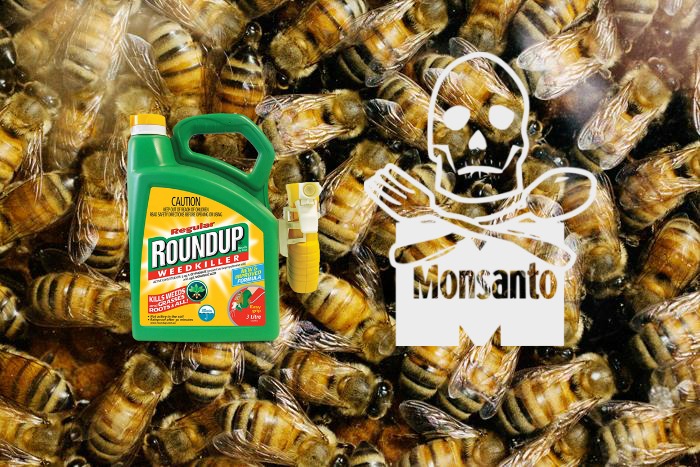
A beekeeping cooperative in northern France has filed a legal complaint against Bayer, the German chemical giant that recently merged with Monsanto after finding traces of glyphosate in their honey.

The herbicide was detected by Famille Michaud, one of France's largest honey marketers, in three batches of honey provided by its members.

The head of the cooperative in the region of Aisne, Jean-Marie Camus, said "They systematically analyse the honey shipments they receive, and they found glyphosate." 

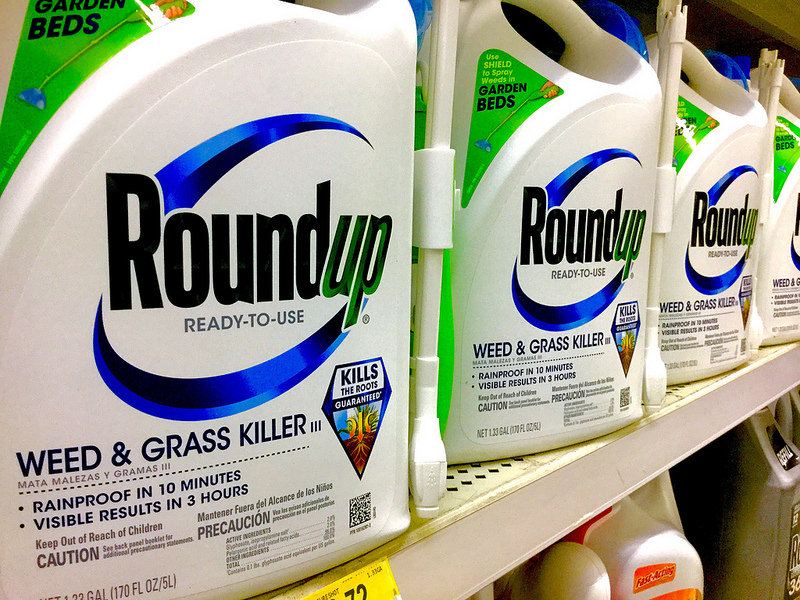
Glyphosate, also known as Roundup, is the most widely used in France, though French President Emmanuel Macron has agreed to attempt to ban it by 2021.

While evidence has repeatedly shown that links Glyphosate to cancer, liver disease, and a host of other negative health effects, it has also been linked to the decline in the bee population, making the discovery of glyphosate in honey all the more concerning since it is clearly reaching bees. 

The new European Soviet, the EU, renewed the license for glyphosate weedkillers last November despite many Europeans and even European governments having deep reservations and intense opposition.


Dying Man Testifies Against Monsanto This Week, First Trial On Roundup’s Link To Cancer

Dying Man Testifies Against Monsanto This Week, First Trial on Roundup's Link to CancerBrandon Turbeville
Natural Blaze
June 22, 2018

Dying Man’s Lawsuit Set to Go This Week Claims Monsanto Hid The Cancer Dangers Of Roundup For Years

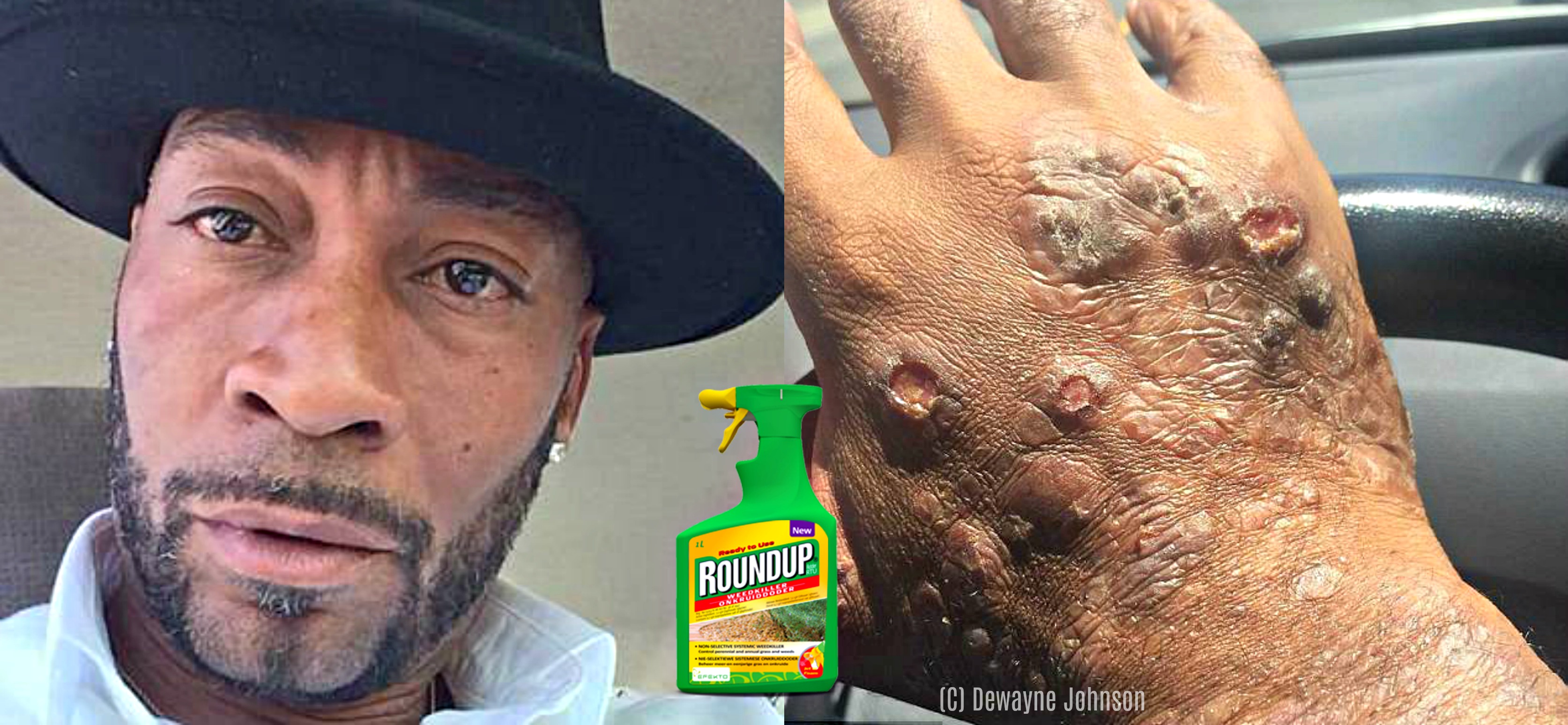
A 46-year-old school groundskeeper is now at the forefront of the fight against Monsanto, despite the fact that he may not have much longer to live. Monday, June 25th marks the historic date that the terminally ill man will be in the first trial that links Monsanto’s weedkiller to cancer.
DeWayne Johnson is doing everything he can to survive but the odds are not in his favor. He has non-Hodgkin’s lymphoma and 80% of his body is covered in cancerous legions.
Still, as a husband and a father in California, he is trying to stay alive long enough to at least see Monsanto be forced to reckon with the fact that one of the world’s most evil corporations is responsible for his condition.
Under California law, Johnson has the right to an expedited trial since he is a dying patient.
Johnson will be the first person to actually take Monsanto to trial over allegations that its herbicide Roundup causes cancer and that the corporation spent decades attempting to hide the fact that it is responsible for the disease.
According to the court record, Johnson had a job as a groundskeeper for the Benicia unified school district where he applied numerous treatments of Monsanto’s herbicides to school properties from 2012 until at least late 2015. He was healthy and active before he got the cancer diagnosis in August 2014. In a January deposition, Johnson’s treating physician testified that more than 80% of his body was covered by lesions, and that he probably had but a few months to live. Johnson has improved since starting a new drug treatment in November but remains too weak sometimes to even speak or get out of bed, his attorneys and doctors state in court filings.

Reports Of Off-Target Injury From Dicamba Skyrocket As Summer Hits

Reports of Off-Target Injury From Dicamba Skyrocket as Summer HitsBrandon Turbeville
Natural Blaze
June 21, 2018

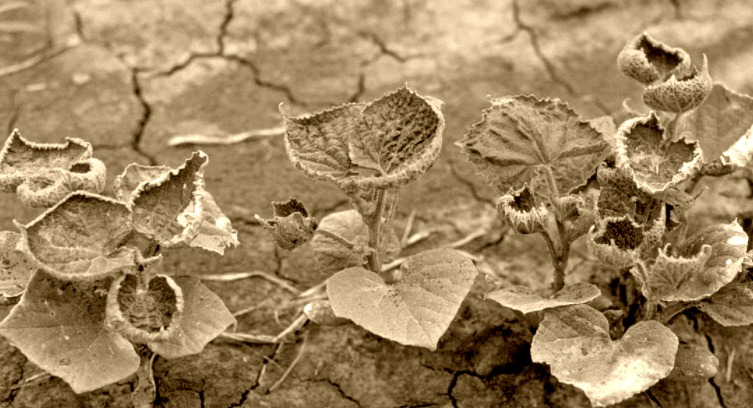
Troubling amounts of off-target injury reports are coming from across the South and Midwest of the United States from 2, 4-D dicamba spraying. The new reports are forcing weed scientists and regulators to urge farmers that are going to utilize dicamba to stay “on label.”

According to Texas A&M Extension Cotton Specialist Gaylon Morgan, cotton growers in Texas are seeing more dicamba damage to cotton than would otherwise be considered normal during this time of year. Larry Steckel, University of Tennessee Extension weed scientist has also seen a number of reports of injury in the Western part of the state and at least one dicamba injury report.

Dicamba injury complaints have been filed in Oklahoma, Missouri, Iowa, Indiana, and Arkansas according to the American Association of Pesticide Control Officers, primarily on non-soybean plants including vegetables, fruits, ornamentals, and trees.

Morgan states that applicator confusion about spray buffers is probably the most common reason of the damage in Texas. "If there is susceptible crop downwind from your field, you cannot spray when the wind is blowing in that direction -- there are no buffers that allow you to spray," he said. "I think that is the single biggest misunderstanding out there."

Steckel says recent rainy weather has forced Tennessee farmers to utilize a tinier window of time when deploying dicamba. "There simply being no good day to spray has been the biggest problem here," he said.

As The Progressive Farmer writes,


Tuesday, June 5, 2018

Researchers Discover Why Pesticide Exposure Increases Risk Of Parkinson's

Researchers Discover Why Pesticide Exposure Increases Risk Of Parkinson'sBrandon Turbeville
Natural Blaze
May 31, 2018

A new study coming out of the University of Guelph appears to have discovered why exposure to pesticides increases a persons’ risk of developing Parkinson’s disease. While many studies in the past have demonstrated a link between paraquat and maneb (two commonly used agrochemicals) and Parkinson’s, this new study actually investigates the process and form that link takes within the cells themselves.

Professor Scott Ryan, lead researcher of the study, has determined that low-level of exposure to pesticides disrupts cells in such a way that mimics the mutations that cause Parkinson’s.

When the effects of the chemicals are taken in concert with a genetic predisposition to Parkinson’s, the risk of Parkinson’s onset is drastically increased.

“People exposed to these chemicals are at about a 250-per-cent higher risk of developing Parkinson’s disease than the rest of the population,” said Ryan, a professor in the Department of Molecular and Cellular Biology.

“We wanted to investigate what is happening in this susceptible population that results in some people developing the disease.”

Paraquat and Maneb are used on a variety of Canadian crops with the former being used on crops during the growth period and the latter used in order to prevent spoiling after harvest.

The study, which was published in the Federation of American Societies for Experimental Biology, used stem cells from people with Parkinson’s disease using a mutation in a gene called synuclein which is associated with an increased risk of the disease. The study also used normal embryonic stem cells in which the mutation was introduced via gene editing.


Wednesday, May 30, 2018

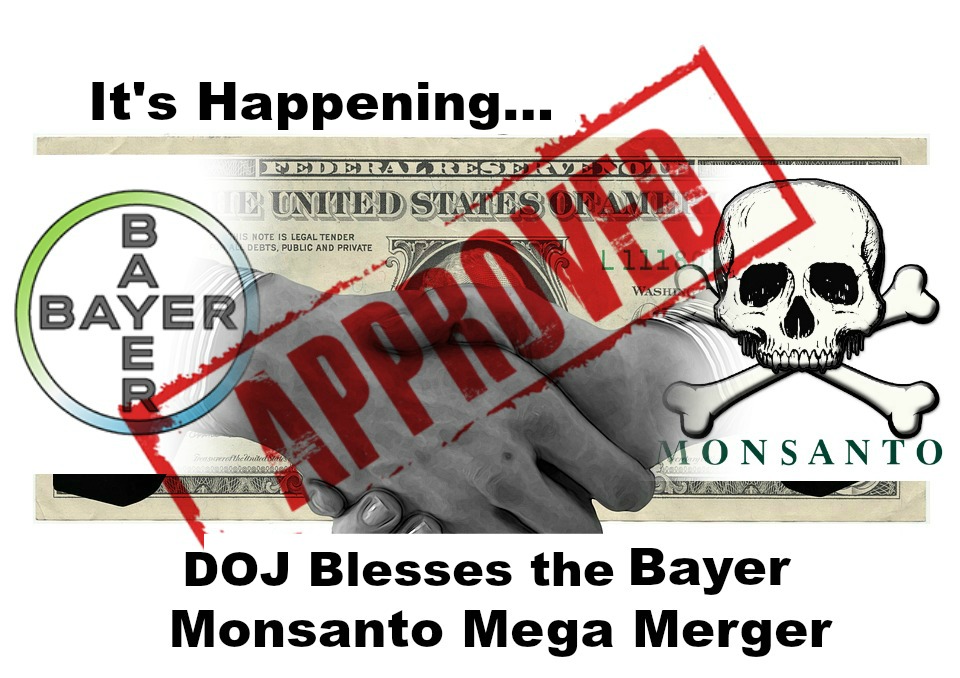
It’s OFFICIAL – Bayer Monsanto Merger Going Through Despite Anti-Trust Law

It's OFFICIAL - Bayer Monsanto Merger Going Through Despite Anti-Trust LawBrandon Turbeville
Natural Blaze
May 29, 2018

The US Department of Justice, once considered the office that would protect the American economy from the fatal cancer of monopoly, has now officially become the office that facilitates monopoly through legal loopholes.

It’s hard to argue with the consistency of the DOJ, though, since the office has done nothing to prevent monopolies from taking shape and has sat back and watched while Free Trade folly and fascism have grown to a level never before seen in America. At least the DOJ knows the law so, in that sense, it’s the perfect office to sell Americans down the river.

Of course, selling Americans down the river is exactly what the DOJ has done and, if the new merger between Bayer and Monsanto is any inclination, that river will be so polluted, it will be safer to drink from the water fountains at the Daichii nuclear reactor plant.

As RT reports,

The US Department of Justice has reached a settlement that would allow Bayer AG’s $66 billion takeover of Monsanto Co, requiring the German company to sell $9 billion in agricultural assets first.

The merger as initially proposed would have harmed consumers and farmers by eliminating competition, the DOJ said. However, the Trump administration is satisfied with the terms of the settlement announced Tuesday.


Monday, May 28, 2018

Dying Man's Lawsuit Claims Monsanto Hid The Cancer Dangers Of Roundup And Glyphosate For Years

Dying Man's Lawsuit Claims Monsanto Hid The Cancer Dangers Of Roundup And Glyphosate For YearsBrandon Turbeville
Natural Blaze
May 24, 2018

A 46 year old school groundskeeper is now at the forefront of the fight against Monsanto, despite the fact that he may not have much longer to live. DeWayne Johnson is doing everything he can to survive but the odds are not in his favor. Still, as a husband and a father in California, he is trying to stay alive long enough to at least see Monsanto be forced to reckon with the fact that one of the world’s most evil corporations is responsible for his condition.

Already, Johnson will be the first person to actually take Monsanto to trial over allegations that its herbicide Roundup causes cancer but that the corporation spent decades attempting to hide the fact that it is responsible for the disease.

The Guardian reports,

According to the court record, Johnson had a job as a groundskeeper for the Benicia unified school district where he applied numerous treatments of Monsanto’s herbicides to school properties from 2012 until at least late 2015. He was healthy and active before he got the cancer diagnosis in August 2014. In a January deposition, Johnson’s treating physician testified that more than 80% of his body was covered by lesions, and that he probably had but a few months to live. Johnson has improved since starting a new drug treatment in November but remains too weak sometimes to even speak or get out of bed, his attorneys and doctors state in court filings.

But while Monsanto insists its chemical is safe enough to drink, Johnson’s case has received a green light from Judge Curtis Karnow who issued an order allowing jurors to consider both the scientific evidence as to what may have caused Johnson’s cancer and whether or not Monsanto supprssed that evidence. Karnow ruled that the trial will move ahead and that the jury would be allowed to consider punitive damages.


Monday, April 23, 2018

Young Hive Bees Poisoned By Insecticides Gathered By Addled Forager Bees

Young Hive Bees Poisoned By Insecticides Gathered By Addled Forager BeesBrandon Turbeville
Natural Blaze
April 16, 2018

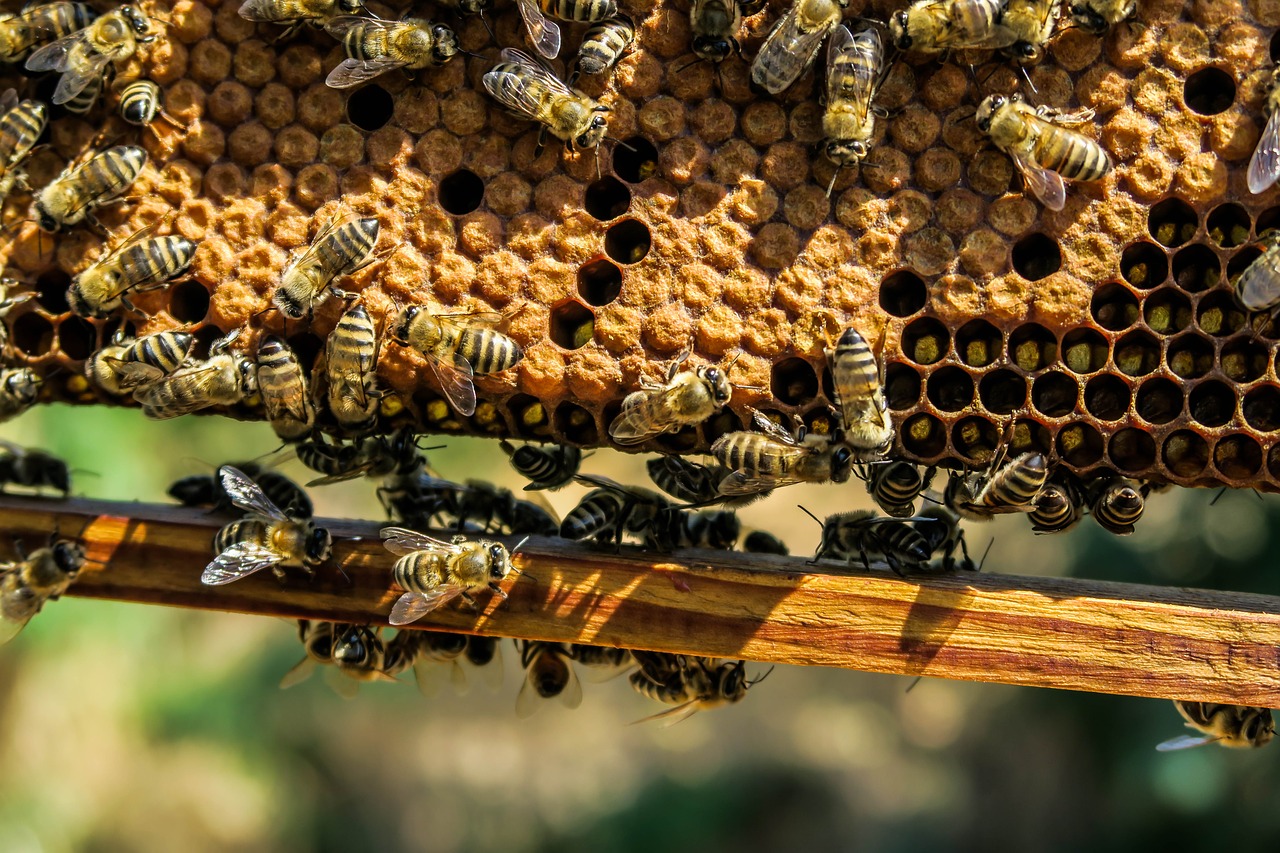
New research in both Europe and the United States has demonstrated yet another disturbing link between insecticides known as neonicotinoids and their adverse effects on honey bees. Prior to the research, which was conducted at the University of Buenos Aires by Carolina Gonalons and Walter M. Farina, it was already widely known that chemicals like Glyphosate, a ubiquitous herbicide, is at least partly responsible for the decline in the bee population.

The new research decided to examine the effects of “field-realistic concentrations” of common farm chemicals on young worker bees.

As Sustainable Pulse writes,

The role of worker bees is related to age. Young worker bees perform vital tasks such nest maintenance and care of the eggs and pupae. Later in life they become field or forager bees, and gather nectar and pollen for the colony. These skills involve behavioural plasticity, memory and discernment, so the Goñalons and Farina believe the young bees serve as important bioindicators to study the effects of these chemicals on colony health.

The researchers measured the effect of glyphosate and neonicotinoids on bees by exposing them to a variety of concentrations of the chemicals.

Since the concentration of the chemicals were too low to kill the bees immediately, the testing method was to train the bees to carry out a variety of tasks, administer the chemical, and test the bees’ performance after various levels of the chemicals had been administered. The responses were assessed at 5,9, and 14 days old.

The bees were given outfitted with “tiny bee-sized harnesses” and trained to respond to various levels of smells and sucrose solution. These responses were measured by a number of different methods, but most antennae movement and extension of mouth parts.

Both of the chemicals had a negative effect on the bees’ olfactory learning and reduced sense of taste.

Ultimately, the paper demonstrated that the neonicotinoids and glyphosate negatively affect memory, smell, and taste in young bees. This is concerning due to the fact that the bees require these senses and skills for foraging. Thus, when young bees become brain damaged, the damage to the colony as a whole does not stop there but extends to the period of time when they are expected to take over the reigns of foraging. Clearly, this double tap poisoning of bees in mass agriculture could be contributing to colony collapse.

Indeed, the authors of the study are also concerned that the damages sustained to the ability to forage could threaten the survival of the bee colony as a whole, particularly at the end of summer.

Please note: This author does not condone animal testing.

Please help us out by sharing!


This article (Young Hive Bees Poisoned By Insecticides Gathered By Addled Forager Bees) was created by and appeared first at Natural Blaze. It can be reshared with attribution but MUST include link to homepage, bio, intact links and this message. Image: Pixabay

Get a nifty FREE eBook – Like at Facebook, Twitter and Instagram. Can republish but MUST include author name + link back at the TOP, links and bio intact. Must include this message!


Brandon Turbeville – article archive here – is an author out of Florence, South Carolina. He is the author of six books, Codex Alimentarius — The End of Health Freedom, 7 Real Conspiracies,Five Sense Solutions and Dispatches From a Dissident, volume 1 and volume 2, The Road to Damascus: The Anglo-American Assault on Syria,and The Difference it Makes: 36 Reasons Why Hillary Clinton Should Never Be President. Turbeville has published over 1,000 articles dealing on a wide variety of subjects including health, economics, government corruption, and civil liberties. Brandon Turbeville’s podcast Truth on The Tracks can be found every Monday night 9 pm EST at UCYTV. He is available for radio and TV interviews. Please contact activistpost (at) gmail.com.

Monday, April 2, 2018

Catastrophic Bird Decline Due To Pesticides But In An Unexpected Way

Catastrophic Bird Decline Due to Pesticides But In An Unexpected WayBrandon Turbeville
Natural Blaze
March 28, 2018

It seems the trail of destruction left behind by the use of heavy pesticides is never ending. Besides the well-known negative effects of pesticides such as glyphosate on human health and the use of certain chemicals on the bee population, there is now damning evidence that they are taking a major toll on the bird population.

Two studies were conducted in France – one study conducted on the national level and another focused on a large agricultural region – whose results have demonstrated a decline in dozens of bird species, some of them as much as 2/3 decline over the last decade and a half.

Benoit Fontaine, conservation biologist at France’s National Museum of Natural History and co-author of one of the studies that “The situation is catastrophic.”

“Our countryside is in the process of becoming a veritable desert,” he said in National Centre for Scientific Research communique, which also contributed to the research.

Among the species that are exhibiting decline are the common white throat, Eurasian skylark, ortolan bunting, and other birds that were once extremely common.

One bird – the meadow pit – a migratory song bird has declined in population by nearly 70%.

The museum described the bird decline as “a level approaching an ecological catastrophe.”

The researchers are speculating that the reason for the die off is the intense use of pesticide on intensely farmed monoculture crops, particularly corn and wheat. But the problem isn’t that the birds themselves are being poisoned but that there are no more insects left for them to eat.

“There are hardly any insects left, that’s the number one problem,” said Vincent Bretagnolle, a CNRS ecologist at the Centre for Biological Studies in Chize.


Pesticides May Now Be Dropping Hummingbird Populations Too

Brandon Turbeville
Natural Blaze
March 26, 2018

Some species of North American hummingbirds are experiencing a sharp decline and many are now wondering whether pesticides are playing a role.

One individual concerned about the decline and the role insecticides may be playing in it is British Columbia research scientist Christine Bishop who works with Environment and Climate Change Canada. She began looking at different factors that could be contributing to the decline of the hummingbirds and began taking urine and feces samples (in a way that did not harm the birds) to determine whether or not pesticides could be found.

"No one has ever measured pesticides in hummingbirds before. So we decided to try it," she. "It turns out, to our surprise actually, that the birds are obviously picking up pesticides in their food, which can be nectar and also insects."

What she found was a concentration of pesticides to the tune of 3 parts per billion.

"Now what does it mean? Right now we're just understanding what the level of exposure is, and then how is it affecting the population, well that's part of the population dynamics," she said.

The research was focused on the agricultural region of the Fraser Valley and Southern British Columbia which is the core habitat for the rufous hummingbird.

The annual breeding bird survey demonstrates that between the years of 1966-2013, the rufous population on the Pacific Coast declined by an average of 2.67% per years. The survey showed that the Allen’s and broad-tailed hummingbirds were also declining.


Friday, January 13, 2017

Science: Endometriosis, Fibroids Caused By These Common Chemicals, Billions In Annual Medical Costs

fibroids endometriosis pthalates DDT DDEBrandon Turbeville
January 13, 2017

In a new study, a team of researchers set out to estimate the health cost of two chemicals in the European Union – pthalates and DDE.

Both of these chemicals are known hormone disruptors and are found virtually everywhere in the Western world. From plastics to pesticides and from makeup to food both pthalates and DDE are almost impossible to avoid by anyone living a life that is considered somewhat normal.

But both have been strongly linked with “common” female reproductive issues, particularly endometriosis and fibroids.

Between fibroids and endometriosis, it is estimated that 70% of women will experience infertility as a result of exposure.

There are substantial human and toxicological studies (in mice and other lab animals) that suggest that exposure to these endocrine-disrupting chemicals, many of which are increasing in use, are contributing to female reproductive conditions,” said Dr. Leonardo Trasande, associate professor of pediatrics at New York University School of Medicine.

DDE is actually a breakdown product of DDT that was banned for agricultural purposes by the United States and Europe in the 1970s. The product is still used for disease control and its agricultural residue still lingers in the environment. For that reason, most exposure to pthalates comes from eating food produced in contaminated soils/water and from eating food and drinks stored in plastic that contains pthalates.


Thursday, September 8, 2016

South Carolina Prepares For Round 2 Of Bee-Killing Zika Spraying

aerial zika sprayingBrandon Turbeville
Natural Blaze
September 7, 2016

Apparently in South Carolina, a million dead bees are not enough. Fresh on the heels of the annihilation of millions of bees in Dorchester County, as a result of the Zika hysteria, Charleston County Mosquito Control is planning to conduct aerial spraying from Sept 7 – Sept 12 “on standing water.”

According to the county’s Facebook page, the spraying will take place from 6 a.m. to 9 p.m. Posting a notice of their intentions to spray, county officials point out that they have been aerially spraying for years and that they will be notifying the public via email 24 hours in advance. The county also states that it will work with local beekeepers to notify them of any spraying coming up.

Mosquito Control representatives have stated that they are working on public education and have given presentations to beekeeper groups in the area and have stressed the importance of the beekeepers providing their information so it can be added to records. Interestingly enough, Mosquito Control uses Trumpet for most of its aerial “adulticiding.” Trumpet contains the active ingredient of Naled but is considered different because the product is water-based and not an oil.

As Wendell Forester noted about Naled (emphasis added):

And the description of NALED provided by the Pesticide Management Education Programme out of Cornell University has this to say about NALED: 
Naled is moderately to highly toxic by ingestion, inhalation and dermal adsorption. Vapors or fumes of naled are corrosive to the mucous membranes lining the mouth, throat and lungs, and inhalation may cause severe irritation. A sensation of tightness in the chest and coughing are commonly experienced after inhalation. As with all organophosphates, naled is readily absorbed through the skin. Skin which has come in contact with this material should be washed immediately with soap and water and all contaminated clothing should be removed. Persons with respiratory ailments, recent exposure to cholinesterase inhibitors, impaired cholinesterase production, or with liver malfunction may be at increased risk from exposure to naled. High environmental temperatures or exposure of naled to visible or UV light may enhance its toxicity.


Friday, July 1, 2016

EU Nations Fight To Ban Glyphosate, Monsanto Threatened By EU Decision

flag-1463476_960_720 (1)Brandon Turbeville
June 30, 2016

As the European Union dominates the news headlines across the world, the Brexit is not the only controversy brewing in Europe. Never known for its democratic values, European nations have nevertheless refused to back an extension of the use of glyphosate, the main ingredient in Monsanto’s Roundup – a decision that could strike a major blow to the multinational corporation.

EU politicians regulators, researchers, U.S. politicians, corporate representatives, farmers and activists are now embroiled in a debate regarding the continued use of the ubiquitous herbicide. Glyphosate is well known for its adverse effects on human health and the environment, and as a result of greater public awareness of the dangers of the chemical, pressure has been placed on national governments to begin a transition away from it.

The EU executive responsible for licensing glyphosate had attempted to renew the license for up to 15 years, but after two meetings in early 2016, was unable to win enough support from EU nations to do so. The EU then offered to make a limited extension for 12-18 months to allow time for more research and debate. Despite the appearance of compromise, however, the proposal did not win the qualified majority needed for passage.

If the EU is unable to achieve a majority decision, the executive may submit the proposal to an appeal committee made up of political representatives of EU member states. If there is no decision made by this committee, the EU commission will demonstrate its reputation for popular democracy and adopt its own proposal.