 Brandon Turbeville
July 8, 2016
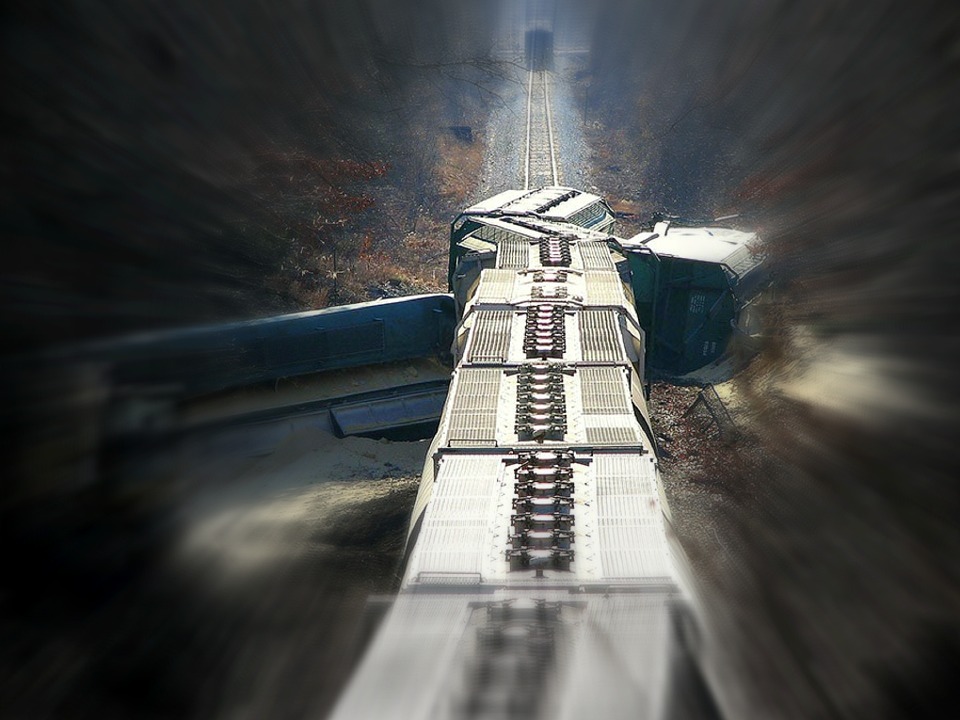
In early May 2016, a CSX derailed in Washington, D.C. spilling ethanol and large amounts of sodium hydroxide next to the Rhode Island Avenue metro station. nearly 8,000 gallons of sodium hydroxide, a highly caustic chemical that is used for dissolving a number of substances including flesh and bone as well as for production in household cleaners.
Local D.C. officials insisted that the fumes posed no threat to public health but many in the D.C. area remained unconvinced.
In fact, Richard Eskow, host of the Zero Hour and Senior fellow at Campaign for America’s Future revealed in his article for the Huffington Post that despite the reassurances of the local officials, he fell ill after spending only a few minutes at the site of the crash with symptoms matching those of exposure to sodium hydroxide. This was the scene in Washington D.C., the nation’s Capitol.
Train wrecks have been occurring since trains have existed. They have caused death, destruction and have had songs written about them. They have, on occasion, even prompted evacuations of whole towns. But these incidents had always been isolated. Over the last 20 years, however, the United States has witnessed an apparent increase not only in derailment but in derailment of trains carrying hazardous materials.
In early May 2016, a CSX derailed in Washington, D.C. spilling ethanol and large amounts of sodium hydroxide next to the Rhode Island Avenue metro station. nearly 8,000 gallons of sodium hydroxide, a highly caustic chemical that is used for dissolving a number of substances including flesh and bone as well as for production in household cleaners.
Local D.C. officials insisted that the fumes posed no threat to public health but many in the D.C. area remained unconvinced.
In fact, Richard Eskow, host of the Zero Hour and Senior fellow at Campaign for America’s Future revealed in his article for the Huffington Post that despite the reassurances of the local officials, he fell ill after spending only a few minutes at the site of the crash with symptoms matching those of exposure to sodium hydroxide. This was the scene in Washington D.C., the nation’s Capitol.
Train wrecks have been occurring since trains have existed. They have caused death, destruction and have had songs written about them. They have, on occasion, even prompted evacuations of whole towns. But these incidents had always been isolated. Over the last 20 years, however, the United States has witnessed an apparent increase not only in derailment but in derailment of trains carrying hazardous materials.
